

Few routines are as repetitive as dealing with unwanted hair. Shaving every other day, booking waxing appointments every few weeks, and managing stubble, razor burn, and ingrown hairs can add up to a surprising amount of time, money, and frustration over the years.
Fortunately, there are more options than ever. Shaving, waxing, depilatory creams, threading, electrolysis, and laser hair removal all promise smoother skin, but they work in very different ways and deliver very different results. Some remove only the hair you can see. Others target the hair follicle itself for longer-lasting reduction.
The best choice depends on your personal preferences, your skin and hair characteristics, your budget, the results you want, and how much maintenance you are willing to take on. A method that works beautifully for one person may be a poor fit for another.
This guide is designed to help you sort through the options. We will explain how each method works, compare them side by side, walk through the factors that matter most, and show you what to expect if you decide laser hair removal is right for you.
Understanding the Different Hair Removal Methods
Hair removal methods fall along a spectrum. At one end are quick, temporary approaches that remove visible hair at or just below the skin’s surface. At the other end are treatments that target the hair follicle to reduce regrowth over time. Knowing where each method sits helps you set realistic expectations.
Shaving
Shaving cuts hair at the skin’s surface with a razor. It is convenient, affordable, and available to almost everyone, which is why it remains the most common method. The trade-off is frequency: because the hair is cut rather than removed, stubble can return within a day or two. Razors can also cause irritation, nicks, and ingrown hairs.

Waxing
Waxing removes hair from the root by applying warm or cold wax and pulling it away. Because the hair has to regrow from beneath the skin, results typically last longer than shaving, and skin often feels smoother. However, waxing can be uncomfortable, requires recurring appointments, and may cause redness or irritation.
Depilatory Creams
Depilatory creams use chemicals to break down the hair’s structure so it can be wiped away. They are convenient and painless for some users, but the results are temporary, and the ingredients can irritate sensitive skin. A patch test is important before use.

Threading
Threading uses a twisted cotton thread to lift hairs from the follicle. It offers precision, which makes it popular for eyebrows and facial hair. Because it works one small section at a time, it is far less practical for larger areas of the body.
Electrolysis
Electrolysis treats individual hair follicles using electrical energy. It can offer permanent hair removal, and it can work on a range of hair colors. The downside is time: each hair is treated one at a time, so it may require many appointments and can be slow for larger areas.
Laser Hair Removal
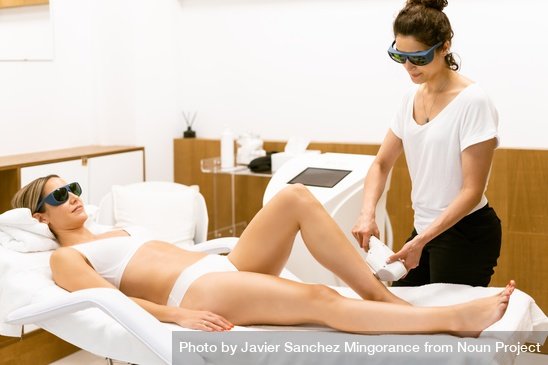
Laser hair removal uses concentrated light energy that is absorbed by the pigment in the hair follicle. This disables the follicle’s ability to produce hair over time, leading to progressive, long-term hair reduction. Because hair grows in cycles, multiple sessions are generally necessary. Results depend on hair characteristics, skin type, the technology used, and the quality of the treatment plan.

Laser Hair Removal vs. Traditional Hair Removal Methods
Laser hair removal is often compared with the methods people already use at home or in salons. Here is how it stacks up against the most popular ones.
Laser Hair Removal vs. Shaving
Shaving requires maintenance every few days, forever. Laser hair removal involves a series of sessions, after which many people find they need to shave far less often. Because laser reduces hair growth, it can also reduce the ingrown hairs and razor bumps that shaving tends to cause. Shaving costs very little per session, but razors, creams, and time add up. Laser has a higher upfront investment that may be offset over the long run.
Laser Hair Removal vs. Waxing
Waxing needs repeating every few weeks to keep skin smooth, and each appointment can be uncomfortable. Laser sessions are spaced further apart and are designed to reduce regrowth gradually. People with sensitive skin often prefer laser’s lower risk of waxing-related irritation, though individual experiences vary. For many, the choice comes down to whether they want ongoing upkeep or a defined treatment plan.
Laser Hair Removal vs. Depilatory Creams
Depilatory creams are applied at home and dissolve hair at the surface, so results last only a few days. Laser, by contrast, targets the follicle for lasting reduction. Creams can also trigger sensitivity reactions, so those with reactive skin may want to explore alternatives.
Laser Hair Removal vs. Electrolysis
Both methods target the follicle, but in different ways. Laser treats many hairs at once with light, making it faster for large areas such as legs or back. Electrolysis treats one hair at a time, which is slower but can work on light-colored hair that laser may not address. Many people choose based on hair color and the size of the treatment area.
| Method | How it works | Typical result duration | Main considerations |
|---|---|---|---|
| Shaving | Cuts hair at the surface | 1 to 3 days | Frequent upkeep, irritation, ingrown hairs |
| Waxing | Removes hair from the root | 3 to 6 weeks | Discomfort, recurring appointments |
| Depilatory creams | Chemically dissolves hair | A few days | Skin sensitivity, temporary results |
| Threading | Lifts hair with twisted thread | 3 to 6 weeks | Best for small areas |
| Electrolysis | Electrical energy treats each follicle | Long-term to permanent | Many appointments, slow for large areas |
| Laser hair removal | Light energy targets follicle pigment | Long-term reduction | Multiple sessions, depends on hair and skin type |
What Factors Should You Consider When Choosing a Hair Removal Treatment?
There is no single ideal solution for everyone. The right method is the one that fits your body, your schedule, and your goals. These five factors can help you decide.
Skin Type and Hair Color
Skin tone and hair pigmentation play a major role in how well laser treatments work. Because laser energy is attracted to pigment, the contrast between hair and skin matters. Some laser technologies are better suited to particular combinations of skin and hair, which is why an individual evaluation is so important.
Treatment Area
Small areas, such as the upper lip or underarms, take only a few minutes per session and generally cost less. Larger areas, such as the legs or back, take longer and typically cost more. The size of the area also affects how practical certain methods are. Threading, for instance, suits the face but not the legs.
Budget and Long-Term Costs
Razors, waxing appointments, and depilatory products are inexpensive individually, but they recur indefinitely. Laser hair reduction requires a larger investment up front. When comparing costs, look at the total treatment plan rather than the price of a single session, and consider what you currently spend each year on maintenance.
Pain Tolerance and Skin Sensitivity
Discomfort varies by method and by person. Waxing and threading involve pulling hair, electrolysis can feel sharp, and laser is often described as a quick snapping sensation. Skin sensitivity also matters, since some people react to chemicals or friction more than others.
Time and Maintenance
Consider how much time you want to spend on upkeep. Shaving may be daily or weekly, waxing monthly, while laser involves a planned series of sessions followed by occasional maintenance if needed. Many people value the freedom of reducing their repetitive routines.
Is Laser Hair Removal Right for Your Skin and Hair Type?
How Skin Tone Influences Laser Treatment
Laser hair removal relies on melanin, the pigment found in both hair and skin. Because the laser is attracted to melanin, darker skin tones contain more competing pigment, which makes wavelength selection and individualized settings especially important. Not every laser is equally suitable for every skin tone, so it is worth asking providers how their technology addresses your skin.
Which Hair Colors Respond Best to Laser?
Darker, pigmented hair generally responds best because it absorbs more laser energy. Blonde, gray, white, and some red hair contain little pigment, so they may respond poorly or not at all. If your hair is light, a consultation can help you understand whether laser is realistic or whether another method makes more sense.
The Importance of a Professional Consultation
A proper consultation includes a skin assessment, hair evaluation, medical history, and review of any medications, some of which can increase light sensitivity. This is what allows a provider to recommend an individualized plan and set honest expectations about results.
What to Expect During a Laser Hair Removal Treatment
Before Your Appointment
Your provider will give you specific preparation instructions, and it is important to follow them. In general, you will be asked to shave the area beforehand, avoid waxing and plucking, and limit sun exposure and self-tanning products, since tanned skin can raise the risk of side effects.
During the Treatment
At the appointment, the provider cleans the area, adjusts the laser settings to your skin and hair, and passes the device over the treatment area. You and the provider will wear protective eyewear, and a cooling measure helps keep you comfortable. Sessions can take from a few minutes for small areas to an hour or more for large ones.
After Your Appointment
Mild redness or swelling is common and usually fades within hours or a day or two. You will be advised to protect the area from the sun, apply sunscreen, and avoid harsh products or hot baths for a short period. Always follow your provider’s aftercare recommendations.
How Many Laser Hair Removal Sessions Do You Need?
Hair grows in cycles, and the laser is most effective on hairs in the active growth phase. Because only a portion of your hair is in that phase at any one time, multiple sessions are needed to catch each hair as it enters the right stage.
The number of sessions depends on the treatment area, hair density, hormones, and your individual response. Areas influenced by hormones, such as the face, may take longer or need follow-up. Some people also benefit from occasional maintenance sessions.
Because every person is different, no provider can honestly guarantee a specific number of sessions or complete hair elimination. A consultation will give you a realistic estimate for your situation.
How to Choose a Professional Laser Hair Removal Provider
Check Professional Licensing and Qualifications
Choose a provider whose staff are appropriately licensed and trained. In Texas, laser hair removal is subject to requirements overseen by the Texas Department of Licensing and Regulation (TDLR), so it is worth confirming that a clinic and its technicians meet the applicable standards.
Ask About Laser Technology
Ask which device the clinic uses and whether it is appropriate for your skin and hair. A provider should be able to explain why their technology fits you.
Look for Personalized Treatment Plans
Be wary of one-size-fits-all packages. A good provider will tailor a plan to you and set realistic expectations.
Understand Pricing and Treatment Packages
Look for transparent pricing and a clear explanation of what is included, such as the number of sessions, treatment areas, and any follow-up visits.
Why Consider BestLaser for Your Hair Removal Journey?
BestLaser offers laser hair removal in Austin, Texas, using the Candela GentleMax Pro, an advanced system designed to treat a range of skin and hair types. Every client begins with an individualized consultation, so treatment plans reflect your skin, your hair, and your goals.
Treatment areas include the face, underarms, Brazilian, legs, back, and full body. You can visit either of our two Austin locations: North Austin (The Gateway) or South Austin (Arbor Trails).
If you would like to talk through your options, we invite you to schedule a free consultation and see whether laser hair removal is right for you.
Frequently Asked Questions About Hair Removal Treatments
What is the most effective hair removal method?
It depends on what you want. For quick, temporary smoothness, shaving or waxing may be enough. For long-term reduction, laser or electrolysis may be a better fit. Your hair, skin type, and maintenance expectations all matter.
Is laser hair removal better than waxing?
They serve different goals. Waxing gives temporary results and must be repeated. Laser hair removal aims for long-term hair reduction over a series of sessions, which many people find more convenient over time.
Does laser hair removal work on all skin tones?
It can work across a range of skin tones, but only with the right technology and settings. Wavelength selection and a professional assessment are essential.
Can laser hair removal remove blonde or gray hair?
Laser works best on pigmented hair. Blonde, gray, and white hair contain little melanin, so results are limited. A consultation can help you understand your options.
How long do laser hair removal results last?
Many people experience long-term hair reduction, but results vary. Some hair may return over time, and occasional maintenance sessions may be recommended.
Is laser hair removal worth the investment?
For many people, yes. It can reduce time spent on repetitive routines and ongoing costs for razors, wax, and products. Whether it is worth it depends on your goals and budget.
Can you shave between laser hair removal sessions?
Yes. Shaving is generally permitted between sessions, while waxing and plucking should be avoided during the treatment course. Always follow your provider’s instructions.
Conclusion
Choosing the right hair removal method means weighing effectiveness, convenience, budget, skin type, and long-term goals. Shaving, waxing, creams, and threading each meet certain needs, while electrolysis and laser target the follicle for longer-lasting results.
For people who want long-term hair reduction and less repetitive maintenance, laser hair removal can be a compelling option, especially when guided by a professional who understands your skin and hair.
At BestLaser, we offer personalized consultations in Austin to help you find the right plan. Schedule your free consultation today and take the first step toward a simpler routine.